
The History of the Choker Necklace: From Ancient Jewelry to Modern Statement Piece
Few pieces of jewelry have reinvented themselves as many times as the choker necklace. Worn by ancient civilizations, European royalty, rebellious musicians, Hollywood icons, and practically every stylish teenager in the 1990s, the choker has spent centuries moving between elegance and edge.
Perhaps that is the secret to its longevity. A choker frames the face, draws attention to the neckline, and makes even a simple outfit feel intentional. Depending on its materials and design, it can look regal, romantic, glamorous, or wonderfully rebellious.
Let’s take a closer look at the fascinating history of the choker necklace—and why this close-fitting style continues to capture our attention.
What Is a Choker Necklace?

A choker is a necklace designed to sit closely around the neck rather than falling toward the collarbone or chest. Chokers can be delicate or dramatically wide and have been created from almost every imaginable material, including gold, pearls, gemstones, velvet, lace, leather, enamel, and even plastic.
While many people associate chokers with the 1990s, their history stretches back thousands of years.
Chokers in Ancient Civilizations

Some of the earliest choker-style necklaces appeared in ancient Mesopotamia and Egypt. Jewelry in these cultures was more than decoration. It often represented protection, power, status, or a connection to the divine.
Ancient Egyptian necklaces frequently incorporated gold, colorful beads, and stones such as lapis lazuli. Close-fitting collars and beaded chokers could be worn alone or layered with larger necklaces. Because the neck was considered a vulnerable area of the body, jewelry worn around it was sometimes believed to offer spiritual or physical protection.
These early designs established two qualities that would follow the choker throughout history: visual impact and symbolic meaning.
The Choker in Renaissance Portraiture

Close-fitting necklaces appeared again in European Renaissance fashion. Portraits of noblewomen show pearls, ribbons, and jeweled strands worn high around the neck.
One of the most recognizable examples is the famous portrait of Anne Boleyn wearing a strand of pearls with a dangling “B” pendant. Although her necklace is not a choker in the modern sense, its high placement and personalized design demonstrate how jewelry could frame the face while communicating identity and social standing.
As necklines changed, jewelry changed with them. Open bodices created the perfect setting for necklaces that emphasized the throat and décolletage.
Red Ribbons and the French Revolution

One frequently repeated story from jewelry history connects the choker to the French Revolution. According to the tale, women wore red ribbons around their necks in remembrance of those who had died by guillotine.
The historical details surrounding this tradition are debated, but the image has become part of the choker’s mythology. It also illustrates the necklace’s unusual ability to carry meanings beyond fashion—from mourning and remembrance to rebellion and social commentary.
Victorian Royalty Makes the Choker Fashionable

The choker experienced one of its most influential revivals during the late 19th century. Velvet ribbons, cameos, pearls, and elaborate jeweled collars became fashionable among women in Europe and America.
Alexandra of Denmark, who became Princess of Wales and later Queen Alexandra, was particularly influential. She was known for wearing wide pearl-and-diamond chokers that covered much of her neck. Her style was widely copied, helping popularize the luxurious “dog collar” necklace among fashionable women.
These Victorian and Edwardian chokers were anything but subtle. Multiple rows of pearls, diamonds, and gemstones created an unmistakably glamorous look. Their bold proportions feel surprisingly modern—and continue to inspire vintage jewelry collectors and contemporary designers today.
Chokers in Art and Belle Époque Style

The choker also became a recurring detail in late-19th-century paintings and illustrations. Black ribbons worn tightly around the neck created a striking contrast against pale skin and elaborate dresses.
Depending on who wore it, the same black ribbon could appear romantic, provocative, artistic, or rebellious. This versatility allowed the choker to cross social and stylistic boundaries in a way that many other jewelry designs could not.
By the Belle Époque, diamond and pearl chokers were a favorite choice for evening wear. The style beautifully complemented the era’s ornate gowns, swept-up hairstyles, and love of dramatic adornment.
From Art Deco Glamour to Midcentury Fashion

During the early 20th century, jewelry silhouettes began to change. Long necklaces became especially fashionable during the Art Deco period, but close-fitting collars and chokers never disappeared.
As fashion moved through the 1930s, 1940s, and 1950s, choker-length pearl necklaces offered a polished alternative to longer strands. Costume jewelry designers also made glamorous necklace styles more accessible by using rhinestones, glass stones, simulated pearls, and gold-toned metals.
Hollywood helped reinforce the appeal. Close-fitting necklaces photographed beautifully, drawing attention to an actress’s face and creating instant red-carpet drama. The choker was no longer reserved for royalty; it became part of the modern jewelry wardrobe.
Punk, Rebellion, and the 1970s

By the 1970s, the choker began to shed some of its ladylike associations. Leather collars, metal hardware, chains, and studded designs appeared in punk and underground fashion.
Once again, the choker demonstrated its talent for transformation. A necklace that had once represented aristocratic glamour could now signal rebellion and anti-establishment style.
This contrast is one of the reasons vintage chokers are so fascinating. The same basic silhouette can look completely different depending on the materials, the styling, and the person wearing it.
The Choker Necklace in the 1990s

For many of us, the word “choker” immediately brings back memories of 1990s fashion.
The decade embraced chokers in nearly every form: stretchy plastic tattoo necklaces, velvet ribbons, leather cords, beaded strands, puka shells, rhinestone collars, and pendant chokers. They were worn by pop stars, supermodels, actresses, and teenagers alike.
The 1990s choker could be grunge, gothic, minimalist, or glamorous. A black ribbon looked perfect with a slip dress, while a sparkling rhinestone collar brought drama to an evening look.
Unlike the elaborate chokers of the Victorian era, many 1990s styles were inexpensive and easy to wear. That accessibility helped turn the choker into one of the decade’s most recognizable jewelry trends.
Why Chokers Keep Coming Back

Fashion loves a revival, but the choker offers more than nostalgia. Its proportions naturally draw the eye upward, highlighting the face and neckline. It can also change the mood of an outfit almost instantly.
A delicate gold choker adds polish to a button-down shirt. A jeweled collar transforms a simple black dress. A colorful vintage choker can become the focal point of an otherwise understated look.
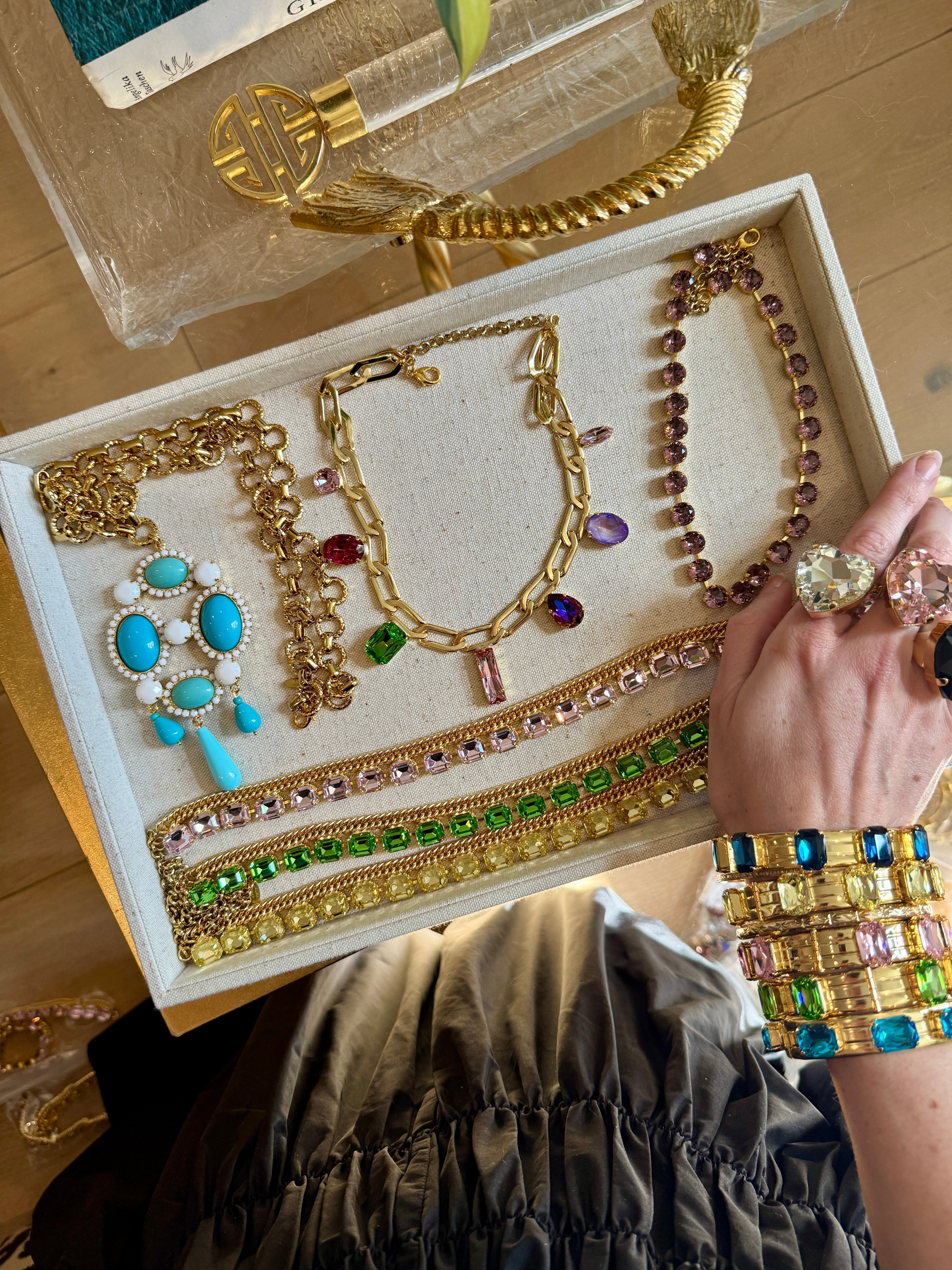
Chokers also work beautifully with other jewelry. Try wearing one above a longer pendant necklace or pairing a sculptural choker with bold earrings and a stack of bracelets. For a maximalist look, mix textures, colors, and eras rather than trying to match every piece perfectly.
How to Wear a Choker Necklace Today

The modern choker is less about following one particular trend and more about personal style. Consider these ideas:
- Pair a chunky gold-toned choker with a crisp white shirt. Our Chloe Crystal Choker is the perfect example.
- Wear a colorful vintage choker with a simple dress or strapless top.
- Layer a close-fitting necklace with longer chains.
- Choose pearls or sparkling stones for an evening look.
- Mix a vintage choker with modern earrings or enamel bracelets.
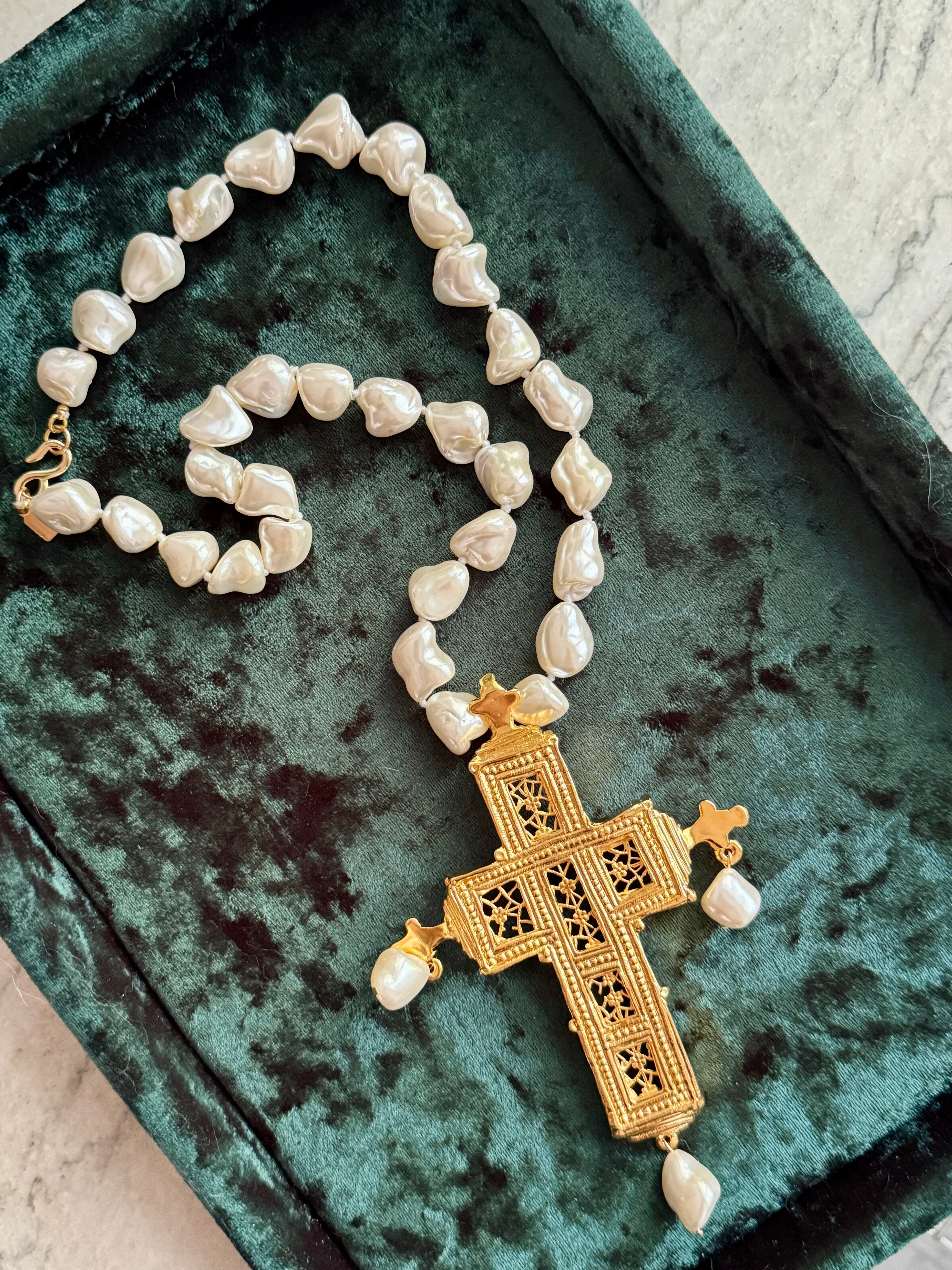
- Let a sculptural statement necklace stand alone against a clean neckline.
As always, the best jewelry is the jewelry that makes you excited to get dressed.
A Timeless Necklace With Plenty of Personality

From protective ancient adornments and royal pearl collars to punk leather and stretchy 1990s tattoo necklaces, the history of the choker is filled with reinvention.
It has represented status, protection, remembrance, glamour, rebellion, and individuality—sometimes all within the same century. Yet the choker’s appeal remains remarkably simple: it gets noticed.
At Kimono Dragon, we believe jewelry should bring personality, color, and a little drama to everyday life. Whether you prefer an elegant vintage necklace or a bold modern statement piece, choose the one that makes your outfit feel unmistakably yours.

Leave a comment
This site is protected by hCaptcha and the hCaptcha Privacy Policy and Terms of Service apply.